If you haven’t been on the contraceptive pill yourself, chances are you know someone who has been or still is.
What’s interesting is I’ve noticed a shift in how women are now viewing the pill.
It may have it’s place, but all too often it’s offered as a ‘solution’ to hormonal symptoms that stem from deeper issues that need proper investigation and treatment.
Women are waking up to this and for my generation of millennials who may have been on the pill for up to 10 years, they’re no longer comfortable with the concept of synthetic hormones running their bodies.
There’s also those who are now at the age where they’re thinking about having children and wondering how the pill may affect fertility (while there’s not much evidence that it directly impacts fertility, the issue is it can mask underlying fertility issues that women don’t lean about until years later when they want children).
Whatever the reason, if you are thinking of coming off the pill you may have a lot of questions, including:
Can I just stop taking the pill?
Will all my previous symptoms reappear if I come off the pill?
Are there any side effects of stopping the pill?
The list goes on.
Having been through this process myself, there’s a lot I wish I knew when I first came off the pill.
Hopefully I can help to make your journey a little smoother.
P.S. This advice also applies if you’e on other forms of hormonal contraception.
First things first, the basics
Before we dive into the advice. it’s important that we all remember, the bleed you have when you’re on the combined pill is not a period. It’s a withdrawal bleed that is your body mimicking a period.
If you’re on the progesterone only pill, you likely don’t bleed at all.
Whichever pill you’re on, you’re not actually having a cycle because you’re not ovulating.
I could really go on about this and how important having a cycle is for your body, but I’ll leave it there for now and crack on with what you want to know.
Preparing to come off the pill
Something I wish I’d done is prep my body PRIOR to coming off the pill to get my body in a good place to deal with the changes that were about to happen.
So, how can you prep?

Start focusing on B vitamins
The pill can really deplete your B vitamin levels – something that your body may struggle with once you stop taking the pill. This was a trigger for my lethargy and acne.
It’s all well and good starting to focus on your B vitamin intake after the fact, but because it takes time to build levels back up and for your body to start utilising vitamins and minerals, start focusing on this 2-3 months before you stop.
Support the natural hormone cycle

Seed cycling is a really lovely and easy thing you can do to support the natural hormone patterns that occur as a part of the menstrual cycle.
There may not be much research. on this method, but there are. alot of anecdotal successes when used in conjunction with other approaches.
The process is essentially eating flaxseeds and pumpkin seeds during your follicular phase to support estrogen, then switching to sunflower then sesame seeds during. the luteal phase (post ovulation) to encourage progesterone.
It’s also important to ensure you’re eating enough, which includes eating healthy fats and enough protein.
Manage stress levels
It might be the case that you find the process of coming off the pill quite stressful.
Perhaps you’re questioning your fertility, maybe you’re worried what symptoms might resurface, or maybe you’re just not used to feeling your bodies natural rhythms.
No matter what it is, high stress levels aren’t going to support your body so it’s a good idea to prioritise this.
Don’t be afraid or ashamed of putting the breaks on other areas of your life to give yourself time to rest and truly relax your body and mind.
Support the liver
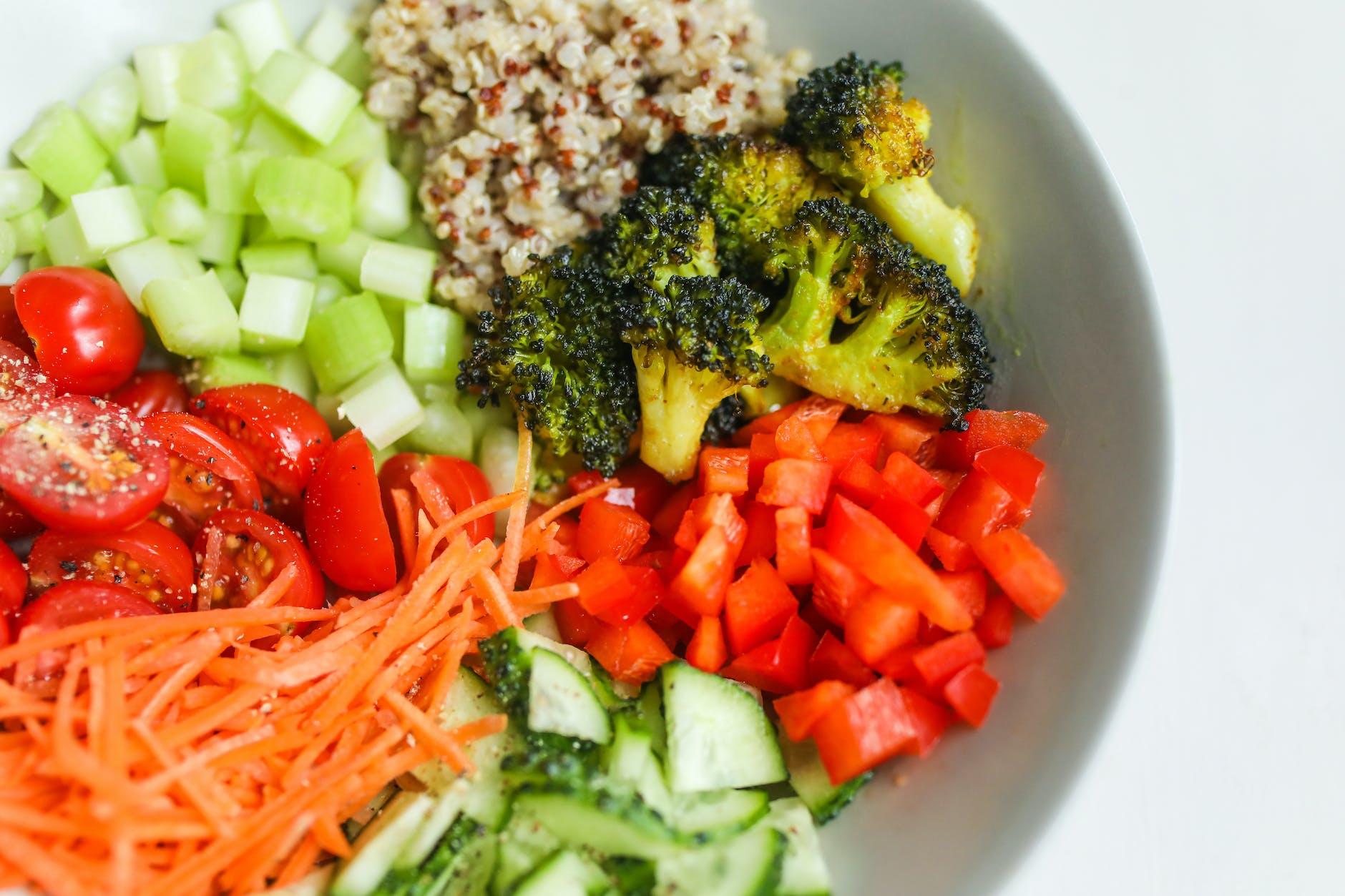
The liver is super important in the hormone detox process.
You might be thinking, ‘why do we want hormone detox when we’re trying to encourage our hormone cycle?’
Well, as your bodies natural processes kick back in, it’s understandable that it might not get it right straight away.
Encouraging the natural detoxification process means your body will be able to get rid of what it doesn’t need.
Ways to support the liver include eating cruciferous veg, limiting alcohol, keeping hydrated, eating bitter foods like rocket, dandelion tea, and high percentage dark chocolate.
This is also going to help with managing acne, which is a common side effect of coming off the pill.
Prepare for your first period
It’s common for it to take a few months for your period to come back after contraception but if it’s been longer than 4 months, go and speak to your doctor. It might not mean there’s anything sinister but it’s good to check – mine took 9 months to return but was pretty regular straight after.
The first period you have when you’ve come off the pill can come with some unwanted symptoms such as period cramps.
Be prepared for this with heat packs, caster oil packs, ginger tea, gentle yoga flows, baths etc, and painkillers when needed.
Be patient and give yourself some grace
Some people’s bodies bounce back into the natural swing pretty easily so it’s not always a big worry. But for some, the additional support is welcome.
What’s important to remember is that it will take a bit of time and your hormonal processes play a huge part in your life so if you are finding it trickier than expected, give yourself some grace.
You’re definitely not alone and there’s always support from practitioners, Drs, or even your friends should you need it.
 Ethos Health Coaching