
It’s incredible how so many women’s health issues in today’s society are linked to hormone imbalance.
The pill, environmental toxins, and the way we live our lives often contribute to hormonal issues in ways that we may not even be aware of.
If your health concerns are due to hormone imbalances such as oestrogen dominance, there are things you can do to help.
Here’s some recommendations from a qualified health coach on how to balance female hormones:
Learn how to manage stress
Cortisol levels can impact on many aspects of life and health, and your reproductive hormones is one such area.
It can be easier said than done to manage stress but it’s often the change that can have the most positive impact.
Sometimes, once you realise how stressed out you are, it can be easy to make the necessary changes but if you’re struggling, working with a professional, be it a life coach, health coach, or a therapist for deeper support and treatment can be the best option.
Try out seed cycling for hormones
I was introduced to seed cycling by a nutritionist a few years ago and I give it credit for being one of the methods that helped support my own hormone health.
You might be wondering, what is seed cycling?
It’s the method of including flax, pumpkin, and sunflower seeds into your diet at certain times of your cycle to support the corresponding hormones in the luteal and follicular phases.
While there’s minimal scientific research to support the method, my own experience (and many other anecdotal examples) suggest it does provide a benefit.
Increase healthy fats
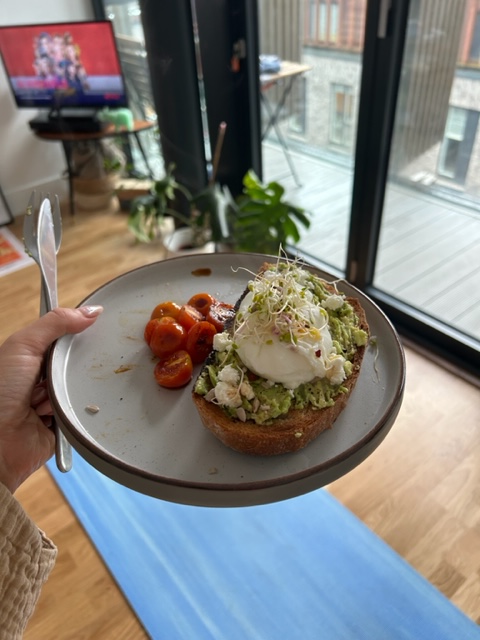
Fats are the building blocks of hormones. It’s a fact. So it should come as no surprise that ensuring you have enough quality, healthy fats in you diet is one of the tips.
However, fats have been demonised for SO LONG, with low fat diets bombarding mainstream media for years and causing people to worry about eating them. (This is a WHOLE OTHER ISSUE that as you can probably tell, I’m kinda passionate about. I may even write a separate blog post on the demonisation of food groups. Let’s not get me started on carbs right now or we’ll be here all day.)
Fat’s don’t make you fat. Fat as a macronutrient is more calorie dense, so for those who don’t understand calorie intake, macros, portion control, or general health eating, fats can become a part of the problem.
But if you’re incorporating healthy fat sources like avocados, nuts and seeds, nut butters (the pure ones), oily fish etc into a balanced diet, you’e on the right track and won’t suddenly see the pounds piling on for no reason.
Exercise in the right way for your body
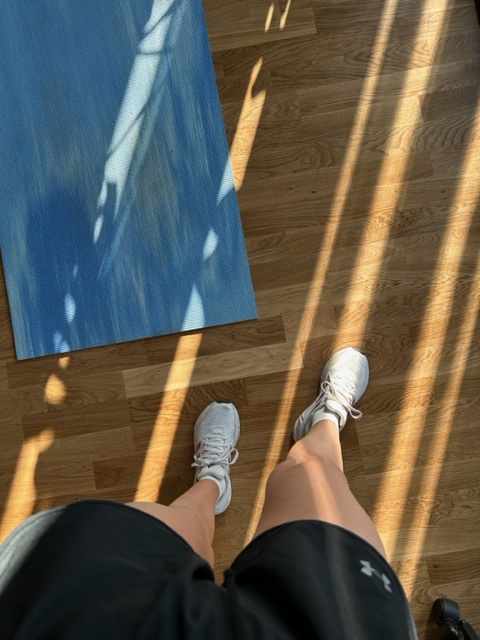
Now, there’s a lot of nuance and context needed for this one.
The reason I’ve said ‘in the right way for your body’ is because how exercise impacts stress will be different for different people, your life, and how you workout currently.
Exercise where you sweat is great for detoxing excess hormones and toxins in your body so this is yet another great reason why everyone should be exercising regularly.
Here’s where I’m going to try and relate different exercise advice to different needs but if I’m honest there’s a lot more to it than this.
If you don’t have a regular exercise routine and are pretty sedentary, then exercising more is going to help you. You’re going to be sweating more (which as mentioned above is great) and improving your overall health but there’s also a strong link between exercise and insulin resistance which helps with hormone balance. (High insulin can cause the ovaries to produce more testosterone)
Exercise can also be great for managing stress.
But this is where you need to consider your lifestyle and current training.
If you’re a very busy person who is already training frequently and intensely (HIIT lovers, I’m looking at you), then it may be more beneficial to cut back on this style of training and opt for gentler movement instead to help bring cortisol down.
Increase magnesium
Magnesium is the mother of all minerals for women’s health in my opinion.
It’s important to understand that magnesium actually aids in the production of hormones including progesterone, estrogen and testosterone. So of course we want to make sure we’re getting enough – ideally through food as the main source but supplements can also bbe helpful
I mentioned insulin before and magnesium helps with insulin sensitivity so can help to regular your blood sugar – having a positive impact on your hormone health.
Because of this, and because it also has relaxing properties, magnesium can also help with PMS symptoms and cramps.
As if this all wasn’t enough, magnesium is also super helpful when it comes to sleep and sleep is crucial for our bodies.
Obviously every body is different and it’s important that if you’re having symptoms in any aspect of your health, you seek proper support.
 Ethos Health Coaching